What Should a School Teach Students About Online Safety?
A practical cyber safety curriculum outline for Indian schools and colleges — covering the risks students actually face, not generic internet-safety slides.


💡 In Simple Terms (For Beginners)
Students today face real risks — sextortion, cyberbullying, account takeover, digital arrest scams targeting their parents — that generic "don't talk to strangers online" advice doesn't actually address.
- Generic online-safety content often misses the specific scams and pressures students actually encounter today.
- A useful curriculum covers account security, recognising manipulation, and what to do when something goes wrong.
- Making it safe to report a problem, without shame, matters as much as the content itself.
HUMAN FIREWALL · October 21, 2026 · 6 min read · By Hardik Patel
What should a school teach students about online safety? A useful curriculum covers account security basics, recognising manipulation and pressure tactics used in scams like sextortion, and — critically — a clear, shame-free process for reporting when something has already gone wrong.
Why Generic Online-Safety Content Falls Short
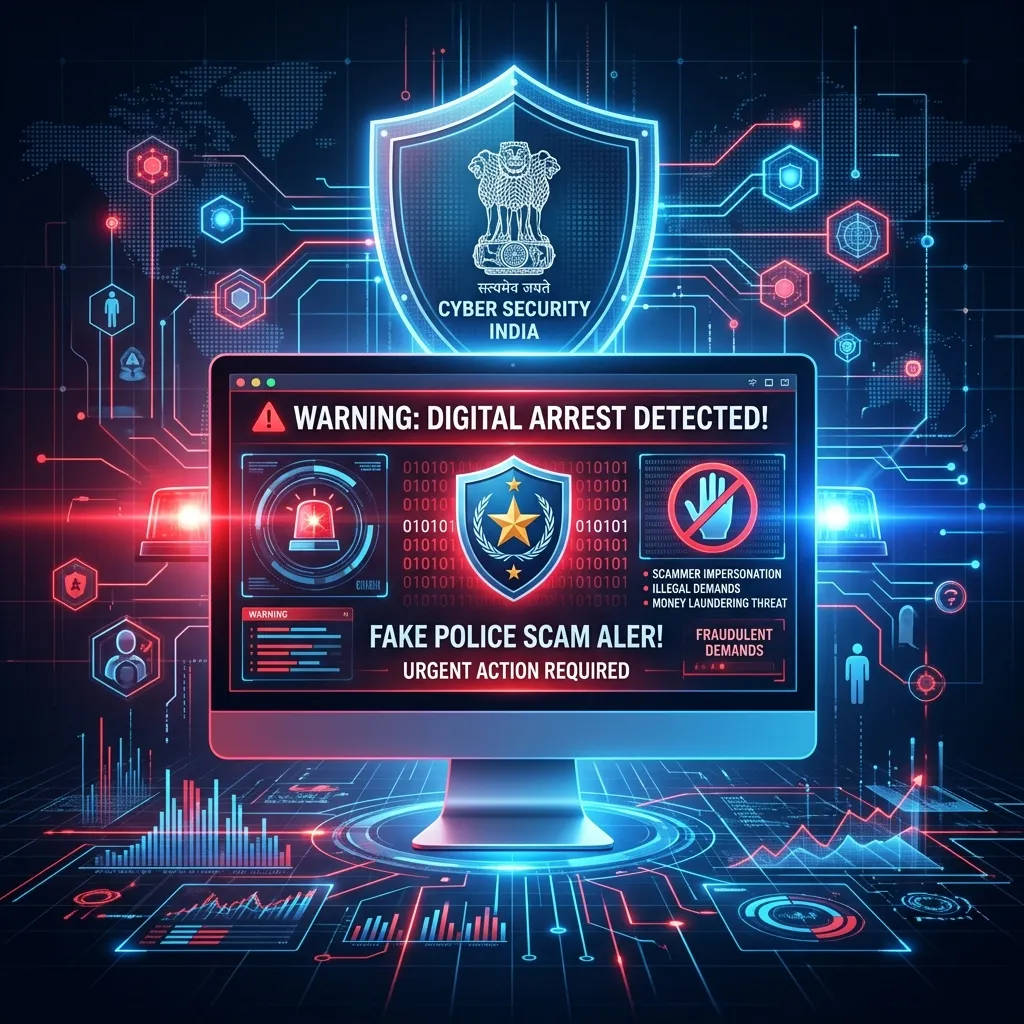
Generic "stay safe online" content built around outdated stranger-danger framing often misses the specific, current risks students actually encounter — sextortion attempts, account takeover, and increasingly, digital arrest and impersonation scams that target their parents using the student's own information.
What a Practical Curriculum Covers
- Account security basics — strong unique passwords, recognising phishing attempts targeting school or social accounts.
- Recognising manipulation and pressure tactics — how sextortion and grooming attempts actually escalate, framed in a way that doesn't shame a student for having engaged initially.
- Understanding what scams targeting family members look like — since students are often the ones who first spot something off in a family member's account or a suspicious message.
- A clear, safe reporting process — knowing exactly who to tell and that reporting won't result in punishment for the student.
Why Shame-Free Reporting Matters Most
The single highest-leverage element of any student cyber safety program is making it genuinely safe to report a problem — students who fear punishment or embarrassment stay silent far longer than the safety of the situation actually allows, which is often what turns a manageable situation into a serious one.
Key Takeaways
- Generic online-safety content misses current, specific risks like sextortion and impersonation scams.
- A practical curriculum covers account security, manipulation recognition, and reporting process.
- Shame-free reporting is the single most important element — it determines whether students actually come forward.
Frequently Asked Questions
Q: At what age should this kind of curriculum start?
A: Age-appropriate versions can start earlier than most schools currently begin, with account security basics introduced early and manipulation-recognition content introduced as students start using social platforms independently.
Q: Should parents be involved in this training too?
A: Yes — a parallel, brief session for parents on recognising the same scam patterns (especially ones that target parents through information gathered about their children) meaningfully strengthens the overall effect.
How iTechFixr Can Help
Our Digital Safety Seminar is built specifically around this curriculum approach for schools and colleges — practical, current, and designed around genuinely safe reporting.


Need Help With This?
Talk to Hardik directly about your organisation's cybersecurity needs — get a tailored response within 24 hours.
